Home / Soft Close Hinges
Soft Close Hinges
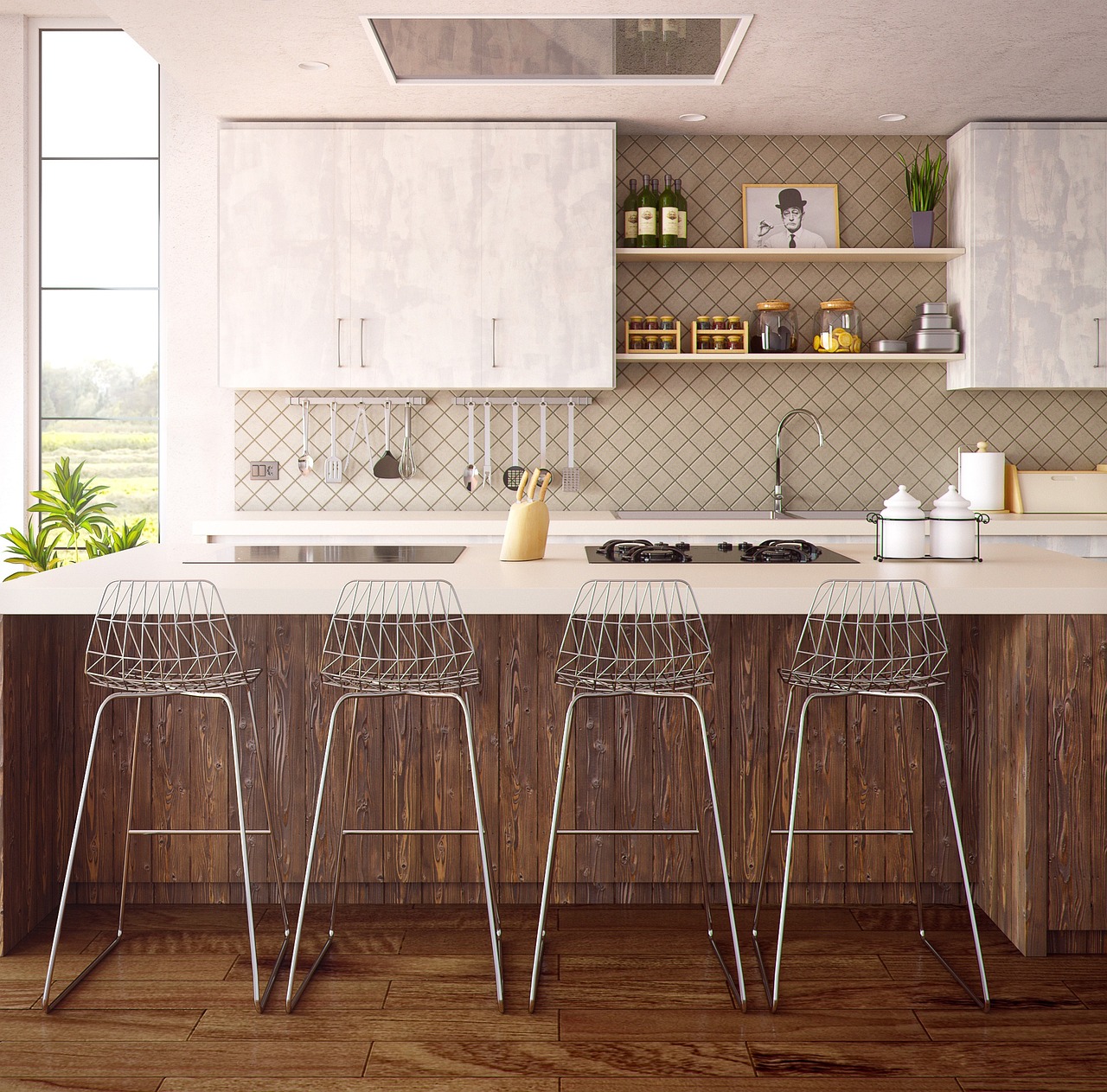
The old kitchen sound was a door slamming shut with a crack against the frame. Soft close hinges end that sound. A door that is pushed nearly closed finishes the trip on its own, slowing in the last stretch and settling against the frame without a bump. The mechanism is small, but it is worth understanding, because a hinge that is chosen or adjusted badly will make a door behave worse than a plain one.
What is inside the hinge
Most modern cabinet doors hang on a concealed cup hinge. A round cup is pressed into a hole bored in the back of the door, and an arm reaches over to a mounting plate fixed inside the cabinet. The standard version uses a spring to pull the door shut. A soft close version adds a damper, a small sealed piston filled with oil or gas, which resists the spring in the final part of the swing.
When the door passes a certain angle, the damper engages. Fluid inside the piston has to pass through a tiny opening, and that restriction slows the movement. The door glides to a stop instead of snapping home. In some designs the damper sits in the hinge arm itself. In others a separate small unit attaches to the cabinet frame or the inside of the box and catches the door as it approaches.
Built-in versus add-on dampers
- Integrated dampers: the cushioning is part of the hinge body. The installation is clean, with nothing extra visible, and the hinges match in appearance to the standard ones.
- Clip-on dampers: small attachments added to an existing hinge. They allow an older kitchen to be upgraded without drilling new cups.
- Cabinet-mounted dampers: a separate piston that the door touches as it closes. These are useful for heavy doors or where the hinge cannot carry the damper.
Retrofitting works best when the hinges are already good quality. A clip-on damper on a worn, sloppy hinge only dampens a door that is already misaligned.
Door weight changes everything
A damper is calibrated for a range of door weights. A heavy door, such as a tall pantry front in solid hardwood, carries a lot of momentum, and a single hinge pair may not slow it enough. A very light door, such as a small upper cabinet door, can experience the opposite problem: the damper is too strong and the door does not fully close, stopping an inch short of the frame.
Door height and material set how many hinges each door needs. A short door normally takes two. A taller one takes three, and a very tall door may take four or five spaced along the edge. More hinges share the load and keep the door straight against the frame. Cutting the number too low is a common cause of sagging and uneven closing.
Three directions of adjustment
Quality hinges let the installer move a door in three directions with a small screwdriver:
- Side to side: shifts the door closer to or farther from its neighbor, setting an even gap.
- In and out: pulls the door tighter to the box or lets it stand slightly proud.
- Up and down: raises or lowers the door so the top edges of adjacent doors line up.
This is the part homeowners most often miss. After a house settles, or after the first seasonal swing in humidity, a door can drift. A few quarter turns bring it back. If the door will not stay in adjustment, the screw holes in the cabinet may be stripped or the wood around them may be soft.
Common soft close problems
When the cushioning fails or behaves strangely, the cause is usually one of the following:
- A door that bounces open: the damper is too strong for the door weight, or the hinge plates are set too far apart.
- A door that slams anyway: the damper is worn, has lost fluid, or is not engaging because the door is traveling too fast.
- A door that stops short: alignment is off and the door is catching an edge before it reaches the frame.
- A door that closes slowly all the way: the damper is working over too long a stretch, often because a spring is weak.
Cleaning residue from the hinge arm helps. Cooking grease collects around the moving parts and can make the damper feel gummy.
Opening angle and swing
Hinges are rated by the angle they open. Standard concealed hinges open to roughly a hundred and ten degrees, which clears most layouts. Wider ones open farther and are useful at corners, where a door must swing clear of a neighboring door or an appliance. A narrow opening angle can leave a door blocking a drawer. The type of door overlay, whether full, half or inset, also affects which hinge arm shape fits, so the hinge has to match the door style.
Overlay and hinge arm shape
Hinges are made in families for each way a door sits on the box. A full overlay door covers the whole front edge of the cabinet side, a half overlay door shares that edge with a neighbor, and an inset door sits inside the opening. Each needs a hinge arm with a different bend, and a mismatch shows up at once as a door that will not clear its neighbor or leaves a wide gap. Frameless boxes use a plate that screws to the inside of the cabinet side. Face frame boxes use a plate or a bracket that attaches to the front frame. Before ordering, the maker should confirm which overlay is intended for every door in the kitchen, including odd ones beside a refrigerator panel or a corner.
Closing speed also depends on spring tension and on whether the door has a magnetic or mechanical catch added. Stacking two cushioning devices on one door can cause it to fight itself, stopping and rebounding before it seats.
Longevity
A damper is a wear item. Each close compresses a seal and pushes fluid through a small channel. Good hinges are tested for tens of thousands of cycles, which in a busy kitchen equals many years. Cheaper ones may weaken sooner and begin to slam. Heat near an oven or a range can accelerate wear, so doors flanking cooking appliances get the hardest use of any in the room.
What to check before choosing
Open and close a showroom door slowly and quickly. The slowdown should begin at the same point each time and feel smooth, with no stutter. Check that the door lines up and that adjustment screws are accessible. Ask what the hinges are rated for in door weight and cycles, and whether replacement parts can be bought later. A hinge is a small purchase, but it is touched hundreds of times each week, so its quality is felt every day.